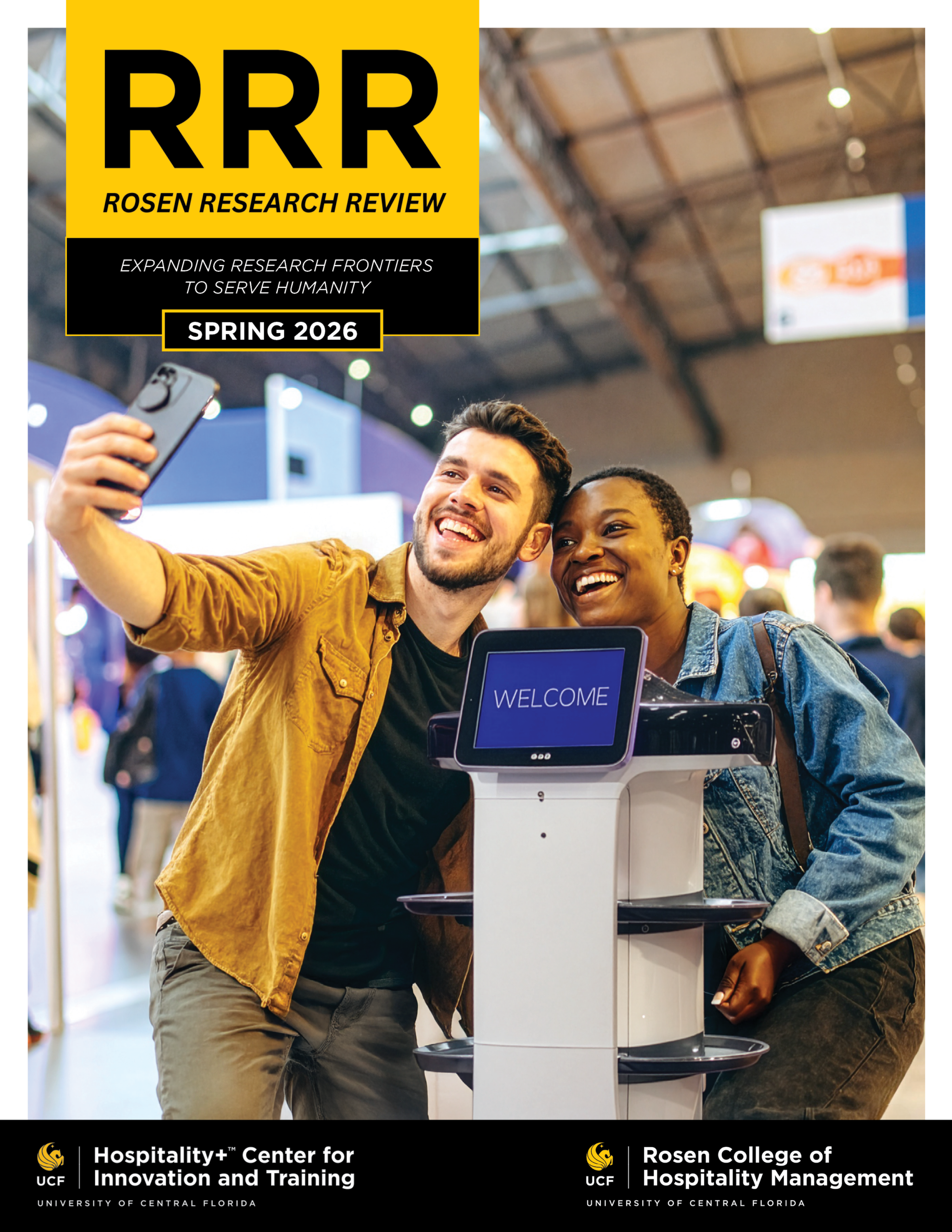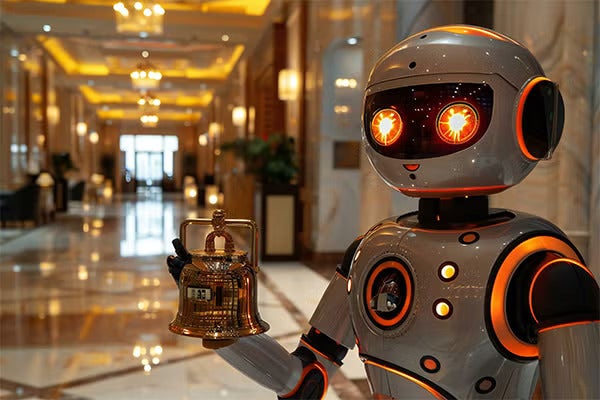
In an era of rapid technological advancement, the hospitality industry has increasingly integrated robotics to enhance guest experiences and streamline operations. Service robots are now a growing presence in hotels, performing a variety of functions ranging from check-in assistance to room service. But what drives hotel customers’ acceptance of these technologies, and how do their perceptions of service robots influence their intent to use them? A recent study conducted by researchers at UCF Rosen College of Hospitality Management, including Ahmet Bulent Ozturk, Abraham Pizam, Suja Chaulagain, and Tadayuki Hara, investigates these questions, focusing on how perceived utilitarian and hedonic values shape hotel guests’ attitudes toward service robots.
The study sheds light on key factors—utilitarian and hedonic values, ease of use, and compatibility—that influence hotel customers’ behavioral intentions regarding service robots. The research provides valuable insights for hotel managers and decision-makers, helping them understand how to better implement and optimize service robot technologies in hospitality settings in the future.
KEY RESEARCH FOCUS: UNDERSTANDING THE ROLE OF VALUE PERCEPTIONS
The research study investigates two main types of value perceptions that shape customer intentions to use service robots: utilitarian value and hedonic value. Utilitarian value refers to the practical and functional benefits that customers derive from the technology, such as efficiency and convenience. In contrast, hedonic value encompasses the enjoyment, novelty, and entertainment that robots can provide, contributing to a more delightful customer experience.
The researchers aimed to determine how these value perceptions influence the behavioral intention to use service robots in hotels. Specifically, they sought to uncover whether customers are drawn to robots primarily for their practical benefits or for the unique, enjoyable experiences they offer. This is an important distinction, as it provides insight into how service robots can be designed and marketed to cater to both the functional and emotional needs of hotel guests.
METHODOLOGY: A GLOBAL VIEW ON SERVICE ROBOT ACCEPTANCE
To gather data, the research team employed a structural equation modeling (SEM) approach, allowing them to examine complex relationships between the various factors influencing customers’ intentions to use service robots. The data was collected from 11 different countries, ensuring a more global perspective on the topic. This cross-country analysis enhances the robustness of the findings, addressing gaps in previous studies that have typically focused on single-country perspectives.
The study also tested several key hypotheses, including whether innovativeness, ease of use and compatibility with customer lifestyles positively impact their perceptions of utilitarian and hedonic values and, in turn, their willingness to adopt the technology.
UTILITARIAN AND HEDONIC VALUE DRIVE ADOPTION
The results of the study clearly indicate that both utilitarian value and hedonic value have a significant positive influence on hotel customers’ behavioral intentions to use service robots. In other words, customers are more likely to embrace these technologies if they perceive them as both functional and enjoyable.
For instance, guests who value the efficiency and practicality of robots are inclined to use them because they see them as a way to improve the speed and ease of hotel services. At the same time, guests who appreciate the novelty or entertainment aspect of interacting with robots are more likely to engage with them, viewing the experience as a unique and fun part of their stay.
THE ROLE OF EASE OF USE AND COMPATIBILITY
Another particularly notable finding from the study is the strong impact of ease of use and compatibility on customers’ utilitarian and hedonic value perceptions of service robots. Customers who found service robots easy to operate and who believed that robots aligned with their needs and lifestyles were more likely to perceive higher utilitarian and hedonic value, which in turn boosted their intention to use the robots.
This insight offers practical guidance for hotel managers and technology developers. Ensuring that service robots are intuitive, user-friendly, and capable of seamlessly integrating with the guest experience will be key to maximizing their utility and enjoyment for hotel customers.
THE INNOVATIVENESS FACTOR
Surprisingly, the study did not find a significant relationship between innovativeness—the degree to which customers see themselves as open to new technologies—and their perceptions of utilitarian and hedonic values. This suggests that even guests who may not consider themselves particularly tech-savvy are still willing to use service robots if they perceive clear practical and emotional benefits. Therefore, focusing on the direct functional and experiential benefits of service robots might be more effective in driving adoption than simply appealing to a sense of novelty or innovation.
IMPLICATIONS FOR THE HOSPITALITY INDUSTRY
The findings of this study have significant implications for the hospitality industry, particularly for decision-makers looking to integrate robotics into their service offerings. By understanding the factors that influence customer perceptions and adoption of service robots, hotels can tailor their implementation strategies to meet guest expectations and enhance overall satisfaction. For example, designing robots that optimize both utilitarian performance and hedonic appeal can help hotels cater to a wide range of customer preferences. Robots that perform tasks quickly and efficiently while also offering a fun or novel experience are likely to be well-received by a broader audience.
Moreover, ease of use and compatibility should be top priorities in the development of service robots. Hotels should invest in technologies that are easy for guests to interact with and that fit seamlessly into their existing service models. This includes ensuring that robots can meet diverse guest needs, from tech-savvy travelers to those less familiar with technology.
FUTURE RESEARCH DIRECTIONS
While this study lays a solid foundation for understanding hotel customers’ perceptions of service robots, future research could expand on these findings by exploring additional dimensions of service robot adoption in hospitality. For instance, subsequent studies could investigate how cultural differences influence the acceptance of service robots. Understanding the varying perceptions and attitudes towards technology across different cultural contexts can provide deeper insights for international hotel chains looking to implement these technologies.
Another avenue for future research could involve examining the impact of prior experience with robots or similar technologies on customer perceptions. Investigating whether guests who have previously interacted with service robots have different attitudes compared to those who have not could unveil critical insights for tailoring marketing strategies and educational initiatives.
Additionally, researchers could explore the role of specific demographics, such as age, gender, and socioeconomic status, in shaping perceptions of service robots. Understanding how different demographic factors influence utilitarian and hedonic value perceptions can aid hotels in customizing their service robots to meet the diverse needs of their guests.
Lastly, further investigation into the long-term effects of service robot integration on customer satisfaction and loyalty could be valuable. Research could examine whether initial acceptance of service robots translates into sustained usage over time and how it affects overall customer experiences in hotels.
THE FUTURE OF SERVICE ROBOTS IN HOSPITALITY
The study conducted by the Rosen College researchers offers a compelling look at the role of utilitarian and hedonic values in shaping customer intentions to use service robots in hotels. By highlighting the importance of ease of use and compatibility, the findings provide actionable insights for hospitality leaders looking to enhance guest experiences through technology. As service robots become an integral part of the hotel industry, understanding these dynamics will be essential for driving successful adoption and ensuring that robots contribute to both the efficiency and enjoyment of hotel stays.