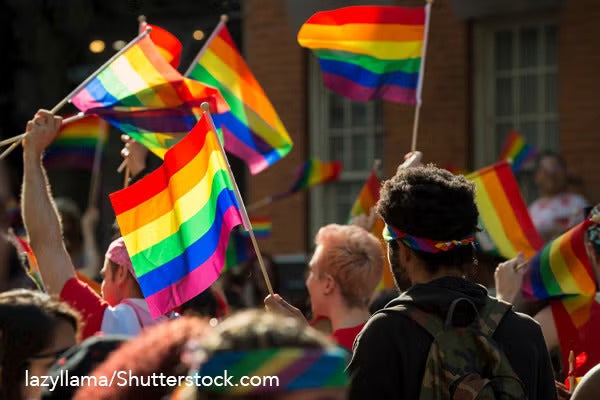
The economic contribution of the LGBT market to tourism has been growing over the last two decades and is estimated to be worth over US$ 75 billion per year in the United States. LGBT events have become key motivators for travel for the LGBT community. They serve as venues for self-expression, celebration of identity, and where social constraints and intolerance can be avoided. Perhaps the most well-known LGBT events are Pride festivals which occur in cities globally. Although they started as political demonstrations, they have evolved into more commercial and celebratory events.
From the perspective of destination marketing organizations, an LGBT event can raise the image of the destination by making it appear forward-thinking and trendy, which appeals to both LGBT and heterosexual travelers alike. Furthermore, LGBT events are thought to have a positive impact on the psychological wellbeing of LGBT attendees by affirming their sense of belonging, i.e., their individual feelings of connection to surrounding people, places, and things.
SENSE OF BELONGING
Drawing from social identity theory, research by Hahm and Ro sought to investigate whether sense of belonging influences event satisfaction, and behavioral intention i.e., the likelihood of attending the event again in the future. In order to explore the construct of sense of belonging thoroughly, it was broken down into two levels: affective bond and collective self-esteem.
Affective bond is the emotional connection between an individual and a particular place, brand, or person/people. In this context it refers to the connection with other attendees at an LGBT event. The idea that this emotional connection might influence satisfaction and behavioral intention is supported by previous work on brand loyalty and travel destinations.
Collective self-esteem refers to the individual’s self-evaluation of their place within the wider LGBT community. Given the history of persecution and marginalization of sexual minorities, involvement in a community provides many benefits including information, resources, and identity affirmation. Although limited, previous work has shown that collective self-esteem influences behavioral intention.
Research in this area is lacking, both specifically in terms of the LGBT community, but also generally in terms of what motivates event attendance from a psychological perspective. The research conducted at Rosen College aims to make contributions to both academic knowledge, as well as tourism and destination marketing. Psychological findings can be applied to help improve wellbeing, and from a tourism perspective it is useful to understand the motivations of LGBT individuals for travel and event attendance.
Based on the literature on affective bond and collective self-esteem, the researchers predicted that affective bond would be positively related to both satisfaction and intention to attend again, and that collective self-esteem would be positively related to intention to attend again.
DATA COLLECTION AND FINDINGS
The researchers identified a large, week-long, annual LGBT event consisting of multiple functions including dances and parties, as a suitable place to sample participants from the target population. After heterosexual participants were eliminated, 261 LGBT attendees were recruited to complete a survey assessing the psychological constructs of affective bond and collective self-esteem, as well as their satisfaction with the event, and their intention to attend again in the future. Five key findings emerged from the data. As one might expect, the findings showed that satisfaction with the event directly impacted intention to re-attend. In line with predictions, affective bond strongly influenced both satisfaction with the event and intention to attend again in the future. Collective self-esteem also affected intention to re-attend. Interestingly, the researchers found that of the two levels of sense of belonging, affective bond had a stronger influence on intention to re-attend than collective self-esteem. This suggests that while feeling part of the wider community is important, the emotional connection and shared experience between individual event attendees has more of an impact. These findings are in line with social identity theory and confirm that the shared experiences and social interactions associated with attending an event contribute to an individual’s sense of belonging.
Of further interest is the demographic information of the sample used in Hahm and Ro’s research. The majority were white males who identified as gay, were highly educated, were from high income households, and were extremely well traveled i.e., they had both the funds and motivation to travel. This makes them an extremely important target for destination marketing and event planning. Of course, whether or not the sample demographics in this research properly represent the wider LGBT community is debatable, and the researchers note this as a potential limitation of the work. Further to this, there was no representation of the transgender community, and future research would need to address this in order to provide more inclusive data. However, as the focus of the study was specifically on LGBT travelers and event attendees, the sampling method was appropriate, and the conclusions drawn were most likely applicable to other destinations holding LGBT events.
The researchers also acknowledge that there may be other motivational factors influencing event attendance and satisfaction that are overlooked in their work. In terms of future work, the researchers suggest it may be useful to increase the number of event locations, and to look at other event-specific motivations for attending.
IMPLICATIONS
As intended, the findings present a multitude of implications for academia, as well as practical applications for the travel and tourism industry. For academia, the findings contribute to the growing LGBT literature in psychology and our knowledge of LGBT social identity relevant to event attendance. But what this research really highlights is the importance of the LGBT market in travel and tourism. Practically, this means event managers and organizers can use the findings to shape event design and marketing (with the potential of increasing revenue), as well as to enhance the emotional experience of LGBT attendees. For example, the researchers suggest the use of social media and event specific apps to facilitate networking and connection between attendees even before the event has started. They also suggest creating pre-events to facilitate bonding before the major event and special programs for first-time attendees so it’s easier for them to meet and bond with other first-timers. Post-event, it is suggested that organizers could engage with attendees for the purpose of evaluation, which would enhance their sense of ownership, and give them an opportunity to influence future events.