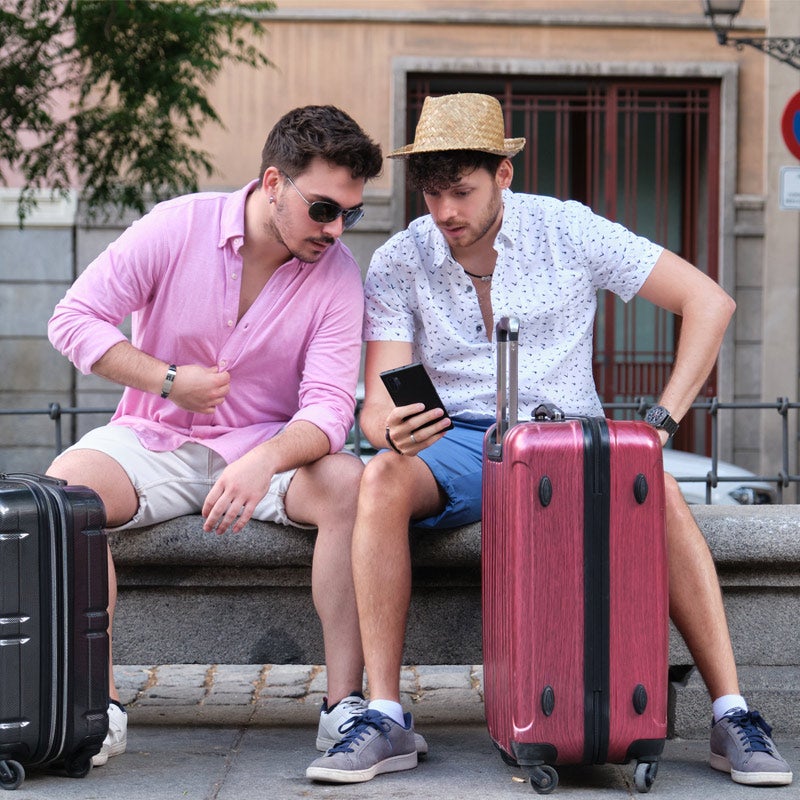
As the pink economy continues to rise, tourism has become one of the fastest developing niches in the LGBT (lesbian, gay, bisexual and transgender) community. In response to this growth, hospitality companies are beginning to position themselves as LGBT friendly, hoping to appeal to sexual minority customers. Many major hotel chains have launched specific LGBT marketing campaigns and promotions, and online holiday booking sites have developed functions that highlight LGBT-friendly accommodation within specific tourist destinations. Many of these changes have been driven by the LGBT community, with sexual minority travelers searching for hotel brands that are welcoming. LGBT friendliness is vital for hospitality companies to build brand loyalty within this niche area of tourism. Marketing research has revealed that 71% of lesbian and gay consumers will remain loyal to a brand, despite greater cost or inconvenience, if a company demonstrates support for LGBT rights and issues.
Although demand for LGBT tourism is rapidly rising, limited research has been conducted in relation to this topic. Recent marketing research studies have focused upon testing LGBT customer perceptions towards specific advertising campaigns and have neglected to take a more integrated approach. Few studies have explored overall perceptions relating to corporate LGBT friendliness and the importance of these activities. Dr. Heejung Ro from UCF Rosen College of Hospitality Management and collaborator Ms. Marryam Khan aimed to bridge this knowledge gap by examining the impact of LGBT friendliness upon customers within this community. The researchers undertook a study to investigate whether hospitality employment attitudes and behaviors may influence LGBT customers’ future intentions regarding repeat business. The research highlights that activities such as checking into a hotel could be highly sensitive for LGBT tourists, as expressing their choice of bedroom arrangements might reveal their sexual orientation identity, leaving them open to possible negative reactions from employees. As a result, their study specifically evaluates how the behaviors of hospitality employees might impact upon LGBT guests’ perceptions of a hotel in terms of its LGBT friendliness. Prior to conducting the research, the researchers hypothesised that greater LGBT friendliness from institutions and their service employees would positively influence the perceptions and future purchase intentions of LGBT customers.
STUDY AIMS AND DESIGN
This is the first study to consider how customer service interactions, in addition to overall LGBT friendliness, could impact upon LGBT tourists’ perceptions of hospitality institutions. The findings can help businesses within the tourist industry gain a greater understanding of what it truly means to be LGBT friendly. The study specifically focuses on how these activities and behaviors will be perceived by their sexual minority customers. Ro emphasises that this research is not just about gaining competitive advantage but encouraging companies in the hospitality industry to demonstrate their values relating to LGBT issues in society.
To develop a theoretical framework that underpins the study, the research team looked to both signaling theory and social identity theory. Both theories support the idea that LGBT customers will perceive hospitality companies more positively if they exhibit LGBT friendliness, while also demonstrating values which align with LGBT customers’ own social identities. This study is also unique in that it is the first to investigate LGBT friendliness in the hospitality industry using an experimental research design. It is scenario based, exploring two main experimental variables. In contrast, previous studies have taken a more exploratory qualitative approach.
LGBT FRIENDLINESS
The first variable was LGBT friendliness, simulated within the research by showing participants’ descriptions of differing LGBT policies and practices relating to a fictional hotel chain. This included information regarding the hotels support for gay causes and rights, as well as marketing partnerships and campaigns within mainstream and gay media outlets. The second variable manipulated within the study design was the behavior and attitudes of service employees. Participants were shown different scenarios where the hotel employee was either acting in a positive or negative manner. In the positive scenario the staff member was friendly and helpful while providing additional information relating to the customers’ stay. In the negative scenario, staff were unengaging and rude, and did not participate in small talk or give eye contact. The research participants were recruited from an annual LGBT event in Florida which attracts over 180,000 visitors from all over the world. One hundred and seventy-seven participants were recruited to take part who all identified as a sexual minority. They were each presented with one of four research scenarios. Participants completed a questionnaire measuring their attitudes and perceptions towards the hospitality and service described within the scenario.
This study makes a positive contribution to LGBT literature concerning hospitality and tourism. Previously there has been little evidence to support claims of customer service having an impact upon the perceptions and behaviors of LGBT tourists. This research demonstrates that if hospitality companies show genuine LGBT friendliness, it will signal to members of this community that the brand cares about their issues. In turn, this will increase positive perceptions and the likelihood of future return business. While these findings are in line with the outcomes of pervious research, this is the first study to take an experimental scenario-based approach using controlled variables. It also pioneers the relevance of signalling theory and social identity theory in relation to LGBT friendliness in the tourism industry. Signalling theory suggests that if a hospitality brand demonstrates LGBT activities, it may serve as a signal of its values to members of that community and the public. The social identity theory anticipates that if LGBT friendliness aligns with the social identity of its customers this can have a positive impact upon their perceptions of the brand or establishment. Ro believes the study demonstrates that both these theories have relevance in this context.
LGBT FRIENDLINESS AND EMPLOYEE SERVICE
A main aim of the study was to investigate the relationship between LGBT friendliness and employee service. The researchers were surprised to learn that members of the LGBT community view these as two distinct factors. The findings revealed that while employee attitudes impact upon LGBT customers’ future intentions, it did not impact on their opinions around LGBT friendliness. Based on these findings Ro has inferred that LGBT customers do not relate the level of service they receive from individual employees to the overall LGBT friendliness of the establishment. This was an unexpected finding, as prior research suggests that aligning employee attitudes with brand values can strengthen customer perceptions. Ro theorises that because the service encounters were specifically LGBT related this may have reduced the link between employee behaviour and LGBT friendliness.
IMPLICATIONS FOR THE TOURISM INDUSTRY
This research provides valuable insights for the tourism industry regarding the needs and perceptions of LGBT tourists. It is a very timely study, given the increase in awareness of LGBT rights, as well as the rise in this tourism niche. The findings indicate that it is important for hotels and other tourist establishments to demonstrate how welcoming and supportive they are towards the LGBT community, as this has a major impact on sexual minority customer perceptions and their intention to return. To achieve LGBT friendliness, hotel companies must develop tailored marketing strategies and engage in activities which support this community. These activities may include advertising LGBT-friendly personnel policies or making donations to relevant charities. These actions will not only be perceived positively by members of the LGBT community and their loved ones but also customers who want to be socially responsible.
Ro emphasises that care must be taken for these LGBT activities not to appear superficial. For example, hanging a rainbow flag outside the hotel and expecting the brand to be perceived as LGBT friendly. Businesses need to ensure that they have taken substantive activity to back up their claims of support for this community; if not this could have a negative impact on the perceptions of their brand. LGBT customers are discerning and can identify if brands are pledging genuine support or simply looking to increase their profits. By identifying many actionable insights, this study can support the hotel industry to cater for LGBT customers in a way that is relevant and authentic. Ro believes that acting upon these research findings will improve customer loyalty and ensure hotels are signalling genuine support for the LGBT community.