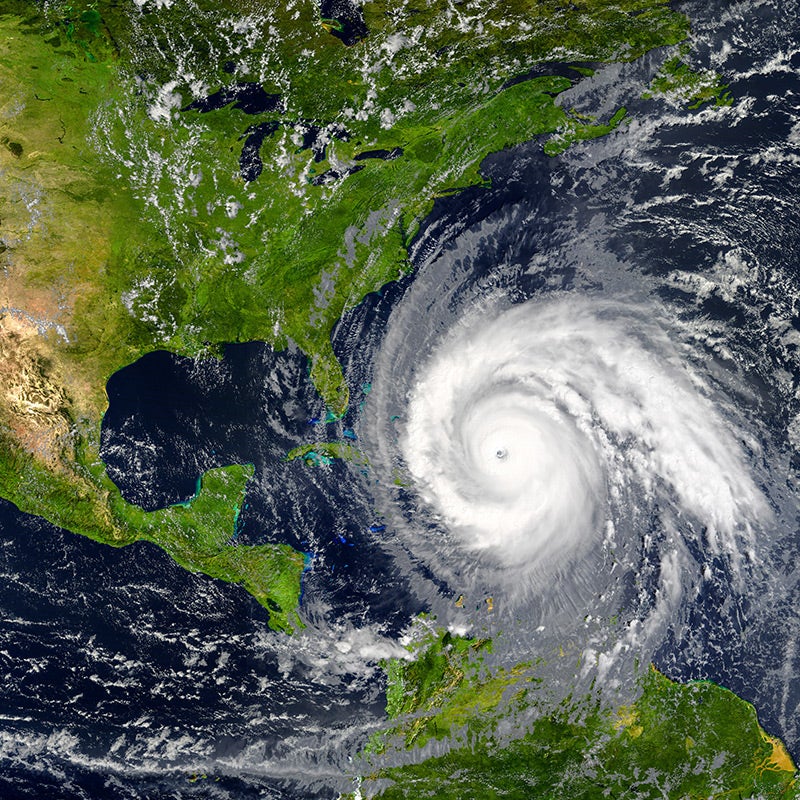
A tropical cyclone is a low-pressure system that can leave a trail of devastation in its path. These storms develop over tropical or sub-tropical waters and are characterized by high wind speeds and heavy rain. As they move inland they can cause flooding, extreme winds, tornados, and lightning. As a result, tropical cyclones pose a big threat to life and property, especially in the coastal regions where they make landfall.
Tropical cyclones also cause lasting damage to the economy. This is most noticeable in coastal areas that rely heavily on the tourist industry. For example, tropical cyclones can cause long-lasting damage to property and infrastructure which can force local and regional businesses to close for weeks or sometimes even months. In the United States alone, 2.4 million people are employed by tourist industries found in coastal regions. The closure of these businesses as the result of a tropical storm can have a devastating impact on people’s livelihoods. In addition, fuel and food supply chains are often disrupted and areas may have to cope without electricity for days or weeks at a time. Due to the disruption, tourists are also often evacuated, creating a negative view of the destination and reducing the number of tourist arrivals in the months that follow.
FLORIDA AS A MATURE DESTINATION
The state of Florida in the United States is a popular and well-established tourist destination that enjoys a consistent stream of visitors year in, year out. This mature, or established, destination caters to everyone, offering a diverse tourism ecosystem ranging from golden beaches, theme parks, and nightlife, to the less well-known side where nature enthusiasts enjoy freshwater springs and the Everglades.
Florida is also particularly vulnerable to tropical cyclones and the threat of a cyclone making landfall in Florida is an annual concern. For example, approximately 40% of hurricanes that have made landfall in the U.S. have struck Florida, due to its location between the Gulf of Mexico and the Atlantic Ocean. This can have distressing impacts on the tourist industry, with businesses such as hotels regularly observing a decrease in bookings after a hurricane has passed through. Yet research to date has focused primarily on the physical damage that these storms cause, and not on the long-term effects that they can have on businesses.
Recent work by Dr. Sergio Alvarez and Dr. Arthur Huang from Rosen College of Hospitality Management, along with their collaborators, aims to highlight the effect that these storms have on the economy. This research investigates the impact that tropical cyclones have on the tourism industry in a mature destination, using Florida as a case study. Their study uses an interdisciplinary approach to estimate the long- and short-term impacts that these storms have on the tourism sector.
MODELING TROPICAL CYCLONE IMPACTS
To understand the impacts that tropical cyclones have on the tourist industry in Florida, the researchers looked at the occurrence of tropical storms over ten years (2008–2018), and mapped this to data published by the Florida Department of Revenue that looked at gross sales on a month-by-month basis. This data covered six key tourist industries: food and beverage stores; restaurants, lunchrooms, and catering services; other types of eating and drinking places; drinking places such as bars where alcoholic beverages are served; accommodation including hotels, motels, rooming houses, camps and lodges; and personal rental properties.
Historical tropical cyclone data collected from the National Oceanic and Atmospheric Administration (NOAA) identified 18 tropical cyclones in Florida over these ten years, ranging in strength from tropical storms to Category 5 hurricanes. A Geographic Information System was used to construct the indicators to identify which of Florida’s 67 counties were affected by tropical-storm-force winds from these storms. Using this information, the researchers were able to construct models that examined how tropical cyclones impact the tourist sector across Florida and how the impacts differ between coastal communities and those found inland.
CYCLONES CAUSE SUBSTANTIAL LOSSES
The results from this study demonstrate that cyclones negatively impact the economy, with losses in revenue due to tropical storms occurring across the entire state of Florida. However, it was also evident that coastal regions are more greatly impacted than communities found inland. Coastal communities are more likely to suffer greater losses than inland communities in the short term and are also more likely to see these losses last for a greater period. This is in part due to the fact that mandatory evacuations are more likely to occur in coastal regions.
Coastal regions also take longer to bounce back than inland areas, possibly because coastal communities are more likely to have a negative image than their inland counterparts following a tropical cyclone. This means that not only do coastal communities experience a loss during the month of the storm due to physical effects such as business closures and clean-up, but they also experience a loss that can persist for the three months following the storm due to a negative reputation or destination image effect. This loss in tourism revenue is often similar in magnitude to the loss caused by the short-term physical impacts of the cyclone. To put this into perspective, during the month of a storm, coastal counties had estimated losses of $12.5 million which continued for the two months following a storm, whereas inland communities had an estimated loss of $7.5 million but this was not seen in the months that followed. Inland communities recovered much more quickly, with a positive recovery effect being observed four and five months after the storm had passed.
POLICY AND MANAGEMENT IMPLICATIONS
The findings from this study suggest that policy and management need to focus on tourism operators to help the economy recover from a tropical cyclone. Tourism plays such an important part in Florida’s economy, yet the relief needed by tourism operators and workforce is not in place, causing negative impacts on businesses and the destination’s economy that can last months after a storm has passed. Mature destinations like Florida may also benefit from aggressive and creative marketing following a tropical storm to help restore the destination’s image and shorten the recovery period. In addition, attention needs to turn to coastal communities that face recurring impacts from tropical cyclones to help minimize tourism losses.