YOU ARE A PRODUCER OF MANY MUSIC FESTIVALS, FILMMAKER, AND OWNER OF ONE OF THE LARGEST INDEPENDENT LATINO LABELS WITH SEVERAL GRAMMY AWARDS. WHAT IS YOUR MOTIVATION TO EMBRACE ENTERTAINMENT?
For me, it’s not simply a case of embracing entertainment. Art—especially music and film—is the oxygen that keeps me going. Art allows me to put the day-to-day issues that I encounter in my life and work environments into a broader, and more positive, perspective. On a less personal level, festivals, films, and art build public spirit and reunite communities. They do this by finding unused spaces and talents to make something new and unique which builds pride and trust in the community, and as such is an investment in both individual and society identity.
WHAT IS ENTERTAINMENT FOR YOU?
Entertainment is a way of creating a more humane world. Through the diverse options that it offers, it reaches audiences worldwide to make people smile, make them happy, to enrich their world view and hopefully create a better world through an increased understanding of other cultures and societies.
WHAT IS ITS ROLE IN SOCIETY?
A society without any form of entertainment is one that does not have a soul. Entertainment connects and reconnects people to each other and their communities. That is why, for us to continue functioning as a society, entertainment is practically a requirement during these trying and stressful times. It helps to unlock opportunities, and helps humanity cope with the emotional stresses of the pandemic and the current state of affairs in geopolitics. Entertainment is one of the cornerstones that has underpinned our society in all its beauty over the past 100 years.
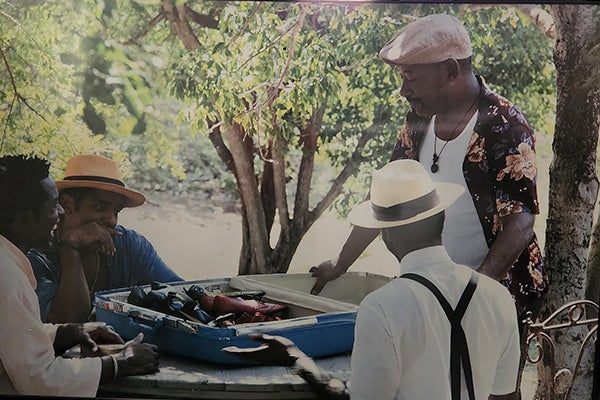
YOU RECENTLY PRODUCED A MOVIE CALLED DOUBLE PLAY. THE MOVIE HOSTED SOME VERY HIGH-PROFILE CHARACTERS SUCH AS LOUIS GOSSETT JR., AND WAS DIRECTED BY ERNEST DICKERSON, THE DIRECTOR OF THE WALKING DEAD. HOW DID YOU COME UP WITH THIS CAST, WHAT WAS THE PROCESS AND YOUR EXPERIENCE?
Working on Double Play was a novel experience for me, and incredibly educational. I was able to see, in a much more in depth manner, all the layers of movie-making. For Double Play, the cast was assembled by the casting director, the producers, and of course, nothing would have happened without the approval of the director. The late Timothy DeBaets, my entertainment lawyer, introduced me to the professionals that I worked with on this project. Even though I had already co-produced and co-financed an American movie, Happy Tears, with a well-known director and actors, I was far more involved in the Double Play project.
THE MOVIE IS BASED ON A VERY POPULAR BOOK IN THE DUTCH LANGUAGE. WHY THIS BOOK? THERE ARE SO MANY ELEMENTS TO THE MOVIE, SO MANY WAYS TO REACT. HOW WOULD YOU DESCRIBE THE MOVIE AND WHAT IS THE MOST EXCITING PART?
Frank Arion’s book, Dubbelspel, is a brilliant portrayal of Curaçaoan society in the 50s, 60s and 70s, and explores a number of very sensitive social issues that were plaguing Curaçao at the time. We knew that we had to be respectful in our approach to making the movie as it would have to deal with issues of racism, discrimination and all the intricacies inherent in the relationship between the individual and their community: issues that still haunt us today. It was a complex venture, but I believe that we did the story justice.
DO YOU THINK THE AUTHOR WOULD APPROVE?
Yes, I’d definitely say so. We invited his family to be involved in the making of the movie, and they were very excited with the final product. On many occasions they expressed their gratitude for the way that the director, the cast, and all who were involved in the movie, translated Arion’s story from the page to the screen.
HOW DO YOU THINK THAT TECHNOLOGY WILL CHANGE ENTERTAINMENT?
It would be impossible to overstate technology’s impact on entertainment—it has already changed the music and film industry in an unprecedented manner. All you need to do to see this in action is look at the visual effects that movie makers use these days. Some of them are mind boggling in their complexity, and would have been inconceivable even 30 years ago. As for music making, technology has levelled the playing field. Today, anyone can make a record from home if they want to—there’s no need to rent an expensive studio anymore. Access to technology has opened up routes to creativity that were non-existent 10 years ago. It’s truly exhilarating to see the number of creative souls that are evolving the film and music industries, and we have technology to thank for the fact that it allows everyone to fan their creative spark to life. I look forward to seeing what the next generation will create, aided by ever-evolving technology.
DO YOU THINK THAT STREAMING IS A THREAT TO MOVIES AND THEATERS, OR IS THE FORESEEABLE FUTURE GOING TO BE STREAMING?
No, I don’t believe that streaming platforms are a threat to movies and theaters. It has become a part of our everyday lives, but it cannot replace the ‘experience’ of visiting a theater. Going to see a movie will stay popular for as long as moviegoers enjoy it, and are tempted to keep returning. Of course, we cannot discount streaming as a phenomenon, but we can instead view it as an opportunity. Streaming opens new distribution frontiers for artists and creators in general—we only have to learn how best to take advantage of it.
YOU ALSO PRODUCED HAVANA MOON WITH THE ROLLING STONES IN 2016. THE ROLLING STONES WAS THE FIRST INTERNATIONAL ROCK BAND TO PLAY IN CUBA, DRAWING HUNDREDS OF THOUSANDS OF CONCERT GOERS. HOW DID YOU COME UP WITH THE IDEA, AND WHY THIS CONCERT? WHAT WAS THE MOST EXCITING PART OF THE CONCERT?
The idea was born out of the desire to pay tribute to Cuba, an island with an immensely rich cultural heritage, and an expansive musical legacy. It was also meant to be somewhat of a ‘present’—a free concert—for the Cuban people who lack so many things we ‘Westerners’ take for granted. Similar to the old explorers who would set their sails to discover new lands, the aim was to embark on an exploration through music. I also wanted to relive the British invasion of the 60s, when bands like The Beatles, The Rolling Stones, and The Kinks—to name but a few—conquered the American music scene. The most exciting part of the concert was to watch the expression of joy and freedom on the faces of the 1.2 million visitors who attended the event. That was very rewarding.
MOST PEOPLE ARE NOT AWARE OF THE MARKET CONSTRAINTS OF OPERATING HIGH-QUALITY LARGE-SCALE ENTERTAINMENT EVENTS. HOW DID YOU MANAGE BIG IDEAS AND CREATIVITY WITH ENTERTAINMENT EVENTS IN A SMALL ISLAND SETTING?
Small islands often lack the capacity and infrastructure required to organize a festival of the magnitude and quality that I envisaged. The solution was quite simple in the end—collaborate with the world’s best indoor and outdoor organizer of internationally acclaimed music festivals, Mojo Concerts from Holland, who have been in this business since 1967. Since 2006, Mojo Concerts have been a wholly owned subsidiary of Live Nation LLC. Working with Mojo allowed me to make my vision a reality—Mojo are experts in large-scale entertainment events, and I was able to rely on their advice and judgement without reservation. They attended to every detail with so much care and attention, that there was no other possibility than for the festival to be a success.
WHAT ARE THE CHALLENGES IN EMERGING TRENDS, AND HOW DO YOU THINK THAT ENTERTAINMENT WILL MANIFEST ITSELF IN THE FORESEEABLE FUTURE? WHAT WOULD BE THE OPPORTUNITIES THAT WE SHOULD LOOK FOR?
Everyone employed in or associated with the entertainment industry knows that they have to adjust to an ever-changing consumer marketplace and adopt the latest trends. It’s a challenging industry to work in, as you never have a stable footing from one week to the next, but it’s incredibly rewarding to be able to position yourself front and centre of the next new movement. Right now is the time to be creative—come up with new products, ideas, movements, or any combination of these. The sector must be constantly looking ahead, creating opportunities for growth. Or at the very least, acknowledge these opportunities when they come knocking.
OVER THE YEARS YOU BUILT A STRONG COLLABORATION WITH UCF ROSEN COLLEGE. YOU FUNDED THE VERY SUCCESSFUL ENTERTAINMENT MANAGEMENT PROGRAM, FIRST IN THE UNITED STATES. WHY THIS COLLABORATION AND WHAT HAS BEEN YOUR EXPERIENCE? DO YOU ALSO COLLABORATE WITH THE ROSEN COLLEGE ON RESEARCH PROJECTS? AND WHY?
UCF Rosen College has provided me with both an opportunity and a platform to engage with the next generation of creative minds who want to be involved in the entertainment industry. By working with UCF Rosen College, we have created something longlasting and sustainable, that will adapt to the new ideas that are sweeping the sector. My experience so far has been incredibly encouraging. You never know how an idea will turn out, even when you have all the tools at hand to implement it. However, the collaboration with UCF Rosen College came at exactly the right time, in the right place, and with an absolutely superb team of educators. I am very grateful for all the support UCF has given to the program.
HOW DO YOU FEEL ABOUT COLLABORATION BETWEEN THE ENTERTAINMENT INDUSTRY AND ACADEMIA?
It is a no-brainer, in my mind. The entertainment industry and academia complement each other in all aspects. Entertainment has become so important that it can only thrive if it accepts the value of academic knowledge and knowhow, without losing sight of the human driving force behind it. By that I mean the creative minds who can make dreams come true.