THE RISE OF THE SMART HOTEL: WHY THIS RESEARCH MATTERS
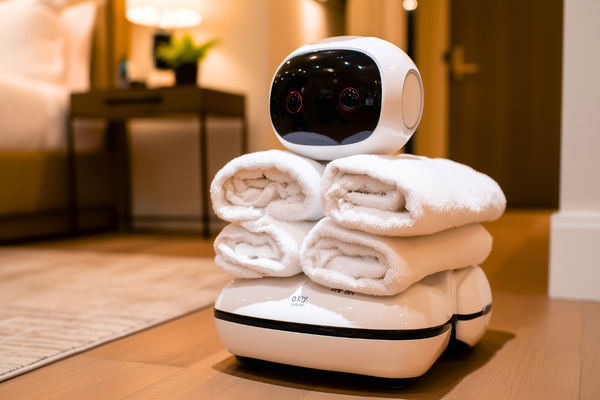
Smart technologies have transformed the hospitality industry, offering new ways to personalize service, streamline operations, and meet evolving guest expectations. During the COVID-19 pandemic, service robots became essential tools for contactless service, helping hotels maintain safety and continuity. As these technologies become more common, the question shifts from whether guests will accept them to how they actually experience them.
This study investigates the real-world perceptions of guests staying in smart hotels, focusing on their encounters with service robots. Drawing on online reviews from China’s leading travel platform, the research captures authentic, unfiltered reactions to smart hospitality environments. The goal is to understand not just the technical performance of robots, but the emotional and experiential dimensions of human–robot interaction.
The findings reveal that guests respond to smart hotels in complex ways. They appreciate efficiency and novelty, but also seek emotional engagement and social presence. For hospitality leaders, this study underscores the importance of designing smart hotel experiences that go beyond automation to deliver meaningful, memorable service.
FRAMING THE EXPERIENCE: FROM GRATIFICATION TO SATISFACTION
The study is grounded in the uses and gratifications theory, which explains how individuals seek out media and technology to fulfill specific psychological needs. In the context of smart hotels, this theory helps unpack why guests are drawn to service robots and how these interactions satisfy different types of gratification.
Five dimensions emerged from the analysis. Utilitarian gratification reflects the practical benefits of smart servicescapes and service quality. Sensual gratification captures the novelty and coolness of the experience. Social gratification includes feelings of social presence and interaction with robots. Experiential gratification encompasses both functional and emotional value. Finally, satisfaction represents the overall emotional response to the smart hotel stay.
These dimensions offer a comprehensive framework for understanding guest experience in smart hospitality settings. They highlight the interplay between technology, emotion, and perception, revealing that successful service robot integration depends not only on functionality but also on how guests feel during and after the encounter.
INSIDE THE REVIEWS: HOW THE STUDY WAS DONE
The researchers conducted a thematic analysis of 546 verified guest reviews from Ctrip, China’s largest online travel platform. Reviews were selected using keywords related to smart hotels and technology, ensuring relevance to the study’s focus on human–robot interaction.
Using a hybrid inductive–deductive approach, the researchers coded and categorized the reviews to identify recurring themes and subthemes. This method allowed for both data-driven insights and theoretical alignment with existing literature. The analysis revealed five overarching categories, each with distinct subthemes that reflect different aspects of the smart hotel experience.
By focusing on user-generated content, the study captures genuine guest sentiments, offering a rich and nuanced understanding of how people perceive and respond to smart hospitality environments.
WHAT GUESTS REALLY THINK: FINDINGS FROM THE FIELD
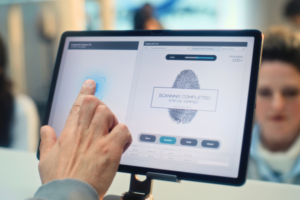
Guests expressed strong utilitarian gratification when smart servicescapes made their stay more efficient and convenient. Features like facial recognition for check-in, voice-controlled room functions, and robot deliveries were praised for saving time and reducing stress. Some guests described the experience as futuristic, while others noted that smart technology helped them feel more in control.
Sensual gratification was evident in reactions to novelty and coolness. Guests were excited by their first encounters with service robots and impressed by the high-tech ambiance. These feelings often influenced their decision to choose a smart hotel, with some travelers booking specifically to experience the technology.
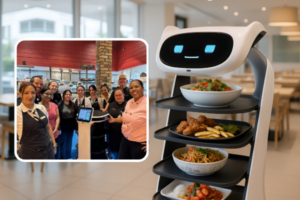
Social gratification emerged through interactions with robots that felt personal and engaging. Guests described robots as cute, friendly, and even humorous. Children formed emotional connections, treating robots as companions. Anthropomorphic features like childlike voices and playful behavior enhanced the sense of social presence and made the experience more memorable.
Experiential gratification combined functional and emotional value. Guests appreciated the practical benefits of smart technology, but also found joy in sharing their experiences with others. Some felt empowered by the technology, while others found comfort in the reduced need for human interaction, especially those with social anxiety.
Satisfaction was expressed through enthusiastic praise, emojis, and repeat bookings. Guests who felt their expectations were met or exceeded were more likely to recommend the hotel and return in the future. However, when technology failed or lacked personalization, dissatisfaction emerged, highlighting the importance of thoughtful design and responsive service.
Guests praised the efficiency of service robots but emphasized the importance of emotional connection and personalized interaction.”
INTERPRETING THE EMOTIONAL LANDSCAPE OF SMART STAYS
According to Wang and Fu, the smart hotel experience is shaped by more than just technology. It is a blend of sensory stimulation, emotional engagement, and social interaction. Guests do not simply evaluate robots based on performance. They respond to how the technology makes them feel, how it fits into their routines, and how it enhances or detracts from their overall stay.
The study reveals that anthropomorphism plays a key role in guest engagement. Robots that mimic human traits—through voice, behavior, or appearance—create emotional connections that deepen the experience. These connections are especially powerful for children and guests seeking novelty.
At the same time, the research highlights the risks of over-reliance on automation. When robots fail to respond or lack personalization, guests feel disappointed. This suggests that smart hotel design must balance efficiency with empathy, ensuring that technology supports rather than replaces meaningful service.
Smart hotel design must balance automation with empathy to create meaningful and memorable guest experiences.”
DESIGNING SMARTER STAYS: PRACTICAL IMPLICATIONS
For hotel managers and designers, this study offers clear guidance. Smart technology should not be used merely as a gimmick. It must deliver real value—functional, emotional, and social. Guests expect more than novelty. They want technology that works seamlessly, responds to their needs, and enhances their sense of comfort and control.
Investing in smart servicescapes means creating environments where technology is intuitive, integrated, and emotionally engaging. Robots should be designed with friendly features, gentle voices, and playful personalities that align with guest expectations. Personalization is key. Guests want to feel seen and heard, even when interacting with machines.
Hotels should also consider the diversity of guest preferences. Some travelers seek high-tech experiences, while others value simplicity and human connection. Offering flexible service options and clear communication can help bridge these differences and ensure a positive experience for all.
Ultimately, smart hospitality is not just about innovation. It is about creating environments where technology enhances the human experience, supports emotional well-being, and fosters lasting memories.
LOOKING AHEAD: FUTURE OPPORTUNITIES
This study opens the door to deeper exploration of human–robot interaction in hospitality. Future research could include in-depth interviews to complement online reviews, offering richer insights into guest emotions and expectations. Expanding the cultural scope beyond Chinese travelers would also enhance generalizability and reveal cross-cultural differences in smart hotel experiences.
Longitudinal studies could track how guest perceptions evolve over time as smart technologies become more common. Quantitative research could validate the constructs identified here, providing a foundation for predictive models of guest satisfaction and loyalty.
As service robots become a fixture in hotels, understanding their impact on guest experience will be critical. This study reminds us that technology is not just a tool. It is a partner in shaping how guests feel, connect, and remember their stay. The future of hospitality lies in designing smart experiences that are not only efficient but emotionally intelligent.