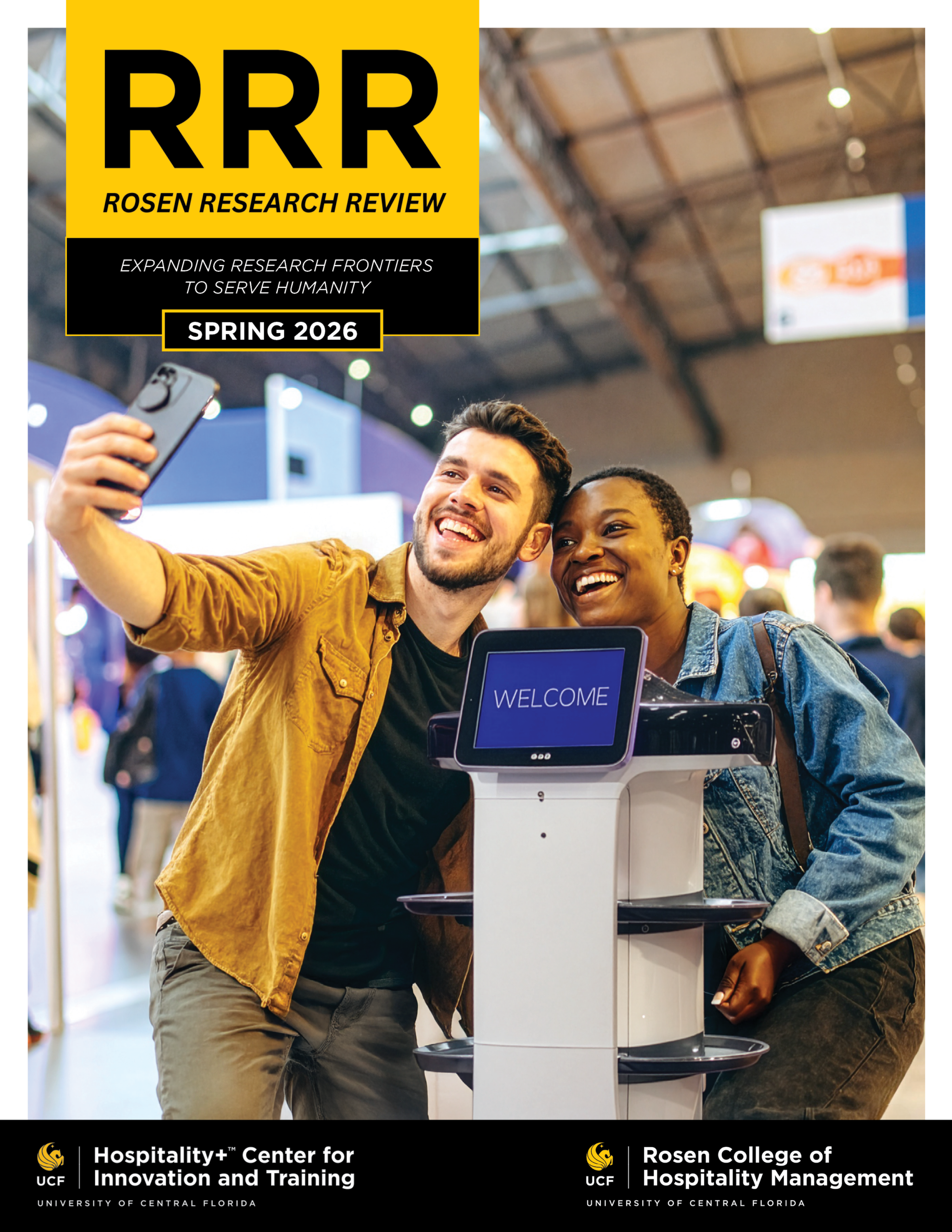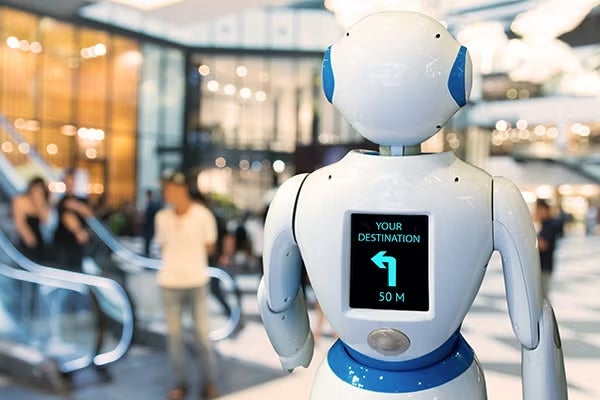
Technological gadgets, such as robots, are now being successfully used to improve hospitality organizations. Robots can be used to interact with guests, provide front desk services, or even carry out chores such as room service. These robots are a cost-effective way to improve guests’ experiences, and therefore have been adopted by numerous hotels, airports, and various attractions. The Henn-na Hotel in Japan (which translates to “weird hotel”) is entirely staffed by robots!
The benefits of using robots in hospitality organizations have been debated, however. On the one hand, robots do not get bored or tired, they do not need breaks or holidays, and they do not require a salary. They can also process tasks faster than humans, and often with more accuracy. Robots can also work in dangerous or hostile environments and can carry out tasks that humans cannot or will not do. On the other hand, robots cannot act beyond their programmed parameters or adapt to unexpected situations. Consumers may also prefer the “human touch” in their customer service.
ROBOTICS IN THEME PARKS
Whilst there has been a wealth of research on the benefits of robots in the hospitality industry generally, research on the usefulness of service robots in theme parks is only in its infancy. Many theme parks have already begun to adopt different technologies to enhance consumer experiences, for example, mobile apps, virtual reality, and social media networks. Some initial findings suggest that robots reduce operational and labor costs, and enhance efficiency, services, and consumer experience in theme parks.
Several studies have found that customers expect theme parks to keep up with technological trends, and this includes the use of service robots. Yet, there has been very little research to inform the introduction of service robots to theme parks. For example, investigating how service robots influence customer behaviors in theme parks—such as their loyalty to the theme park—has yet to be studied. Also in need of further study is how customers perceive the physical qualities of a service robot, such as human-likeness, apparent intelligence, and sensory capabilities (can the robot see and hear?). As well as this, what functions do customers want to be provided by the service robots, such as customer information, directions, processing payments, controlling crowds, or taking food and drinks orders?
AIMS OF THE STUDY
Researchers from Rosen College of Hospitality Management—Dr. Ady Milman, Dr. Asli Tasci, and Dr. Tingting Zhang—set out to conduct the first study to understand how certain qualities and perceptions of robots in theme parks affect customer behaviors.
Specifically, the researchers sought to understand how certain robotic qualities (e.g., how human-like it is) influence perceptions of the robot’s functions (e.g., does it perform tasks faster than humans?). For instance, if the robot is less human-like, it might be perceived to have more capabilities.
The research team also investigated whether perceptions of the robot’s functions influenced customer loyalty. For example, are customers more likely to show loyalty to the business if they perceive the robot to have certain functions? Finally, the researchers tested whether perceptions of robotic functions and customer loyalty are influenced by the robot’s physical qualities—for example, whether the robot is human-, cartoon-, anime-, or animal-like.
FINDINGS
Using questionnaires completed by 385 theme park visitors, the three colleagues found that several robot qualities, such as their human orientation and safety qualities, were associated with the perceived functionality of the robot. This may be because robots are frequently used for safety purposes in airports, shopping malls, offices and other public spaces, so participants may be familiar with the association between robotic safety qualities and their functionality.
Qualities of human orientation had a consistent influence on perceived robotic functionalities, regardless of whether the robot was designed to be cartoon-, anime-, animal-, or human-like. Therefore, the researchers conclude that human-likeness is an important component of visitor’s overall experience in theme parks. The research also showed that emotional and co-creation qualities—involving the collaborative involvement of both robot and customer— were not associated with the perceived functionality of the robot, suggesting that robots could not replace the human aspect of exhibiting emotions or creating coexperiences in theme parks.
The team also found that the greater the perceived robotic function, the higher the customer loyalty. However, the strength of this association changed depending on the physical qualities of the robot. So, the association between perceived robot function and customer loyalty was stronger when the robot was human-like, compared to animal-like. This suggests that using more human-like robots will be more effective for customer loyalty.
Customer loyalty provides great benefits to companies, by lowering the marketing costs to familiar customers, who tend to buy more, pay more, and recommend the product or brand to others. Theme parks would therefore benefit from being aware of how to improve customer loyalty through the careful use of robotics. The research of the Rosen College colleagues is the first of its kind to confirm that certain robotic qualities influence the way robots are perceived, in terms of their functionality. Furthermore, the perceived functionality of the robots influences customer loyalty. Robots with more humanlike qualities may be perceived as providing higher performance than other robot types, and may improve customer loyalty. The findings also showed that the design of the robot, in terms of whether it is more cartoon-, animal-, anime- or human-like influences the way the robot is perceived, and this, in turn, influences customer loyalty to the theme park.
IMPLICATIONS
The study’s findings are in line with recent reports suggesting that theme park guests would welcome interaction with robots, and some theme parks have already started to take note of this. Disney, for example, has been harnessing the benefits of robots for customer service for several years. They have introduced robots that may be able to replace costumed mascots, assist in theme park entertainment, perform stunts, control crowds, and interact with children.
In the future, human-like robots could also be used to create and co-produce the theme park experience by undertaking a variety of tasks such as greeting guests at the entrance gate and attractions, storytelling, providing information, loading guests on rides, performing in shows and parades, or selling food, beverages, and merchandise. They could also help solve operational issues such as parking, ticketing, and park admission; capacity and queue management; provision of information; and food service production, delivery, and sales.
In products and services where the speed of service delivery matters most, robots can enhance the consumer experience. Robots’ fast service delivery of products and services may also allow guests to better appreciate the hospitable human touch in other aspects of products and services. In this way, they may provide a more wholesome visitor experience and potentially lead to greater customer loyalty.
Following their reopening after the COVID-19 pandemic, many theme parks may be assisted by robots in various functional safety tasks, such as temperature screening, personal-space enforcement, touchless ticketing, and cleaning and sanitation of rides. This means that the role of robots in theme parks will probably be enhanced significantly, and this research will be critical in informing the integration of robotics into the theme park industry.