Agritourism is a form of slow-paced, authentic, and eco-friendly travel. It’s a concept rooted in savoring experiences and becoming educated about the origins of quality food and drink. One of the best examples of this is wine tourism. Even among those who aren’t big consumers of wine, a visit to a vineyard can be a satisfying and enjoyable experience. Dr. Back of UCF Rosen College of Hospitality Management and his research team have undertaken the first study of this industry from a micro-clustering approach, using the example of a South African agribusiness to show how using a novel model of diversified ownership can generate business growth and increased profits.
THE EVOLVING WINERY MODEL
The earliest definitions of wine tourism date from 1996, when wineries were seen as a niche market for wine enthusiasts. These businesses were successful based on their individual characteristics, such as accessibility, wine profile, and facilities. At this time, wine tourism was narrowly defined as visits to wineries and wine festivals where the primary motivation for tourists was to sample the wine.
By the early 2000s, however, this definition had begun to expand. Subsequent studies found that the motivations of wine tourists covered a wide range of experiences beyond the tasting of the wine itself. Nowadays, wine tourism should be seen as visiting a destination or event that has some kind of connection to wine. In this sense, it can be more broadly related to agritourism. Visitors to wineries often appreciate the chance to experience the beautiful landscapes, conversations with producers, and a slower pace of travel. These tourists also value ethical and environmentally sustainable processes, which are fundamental features of agritourism. Ultimately, wine tourism is viewed as being experiential, whether this is for entertainment, the aesthetics of the destination, educational reasons, or escapism.
CLUSTER THEORY AND MICRO-CLUSTERING
To explore this evolving winery business model further, Dr. Back and the research team used a cluster-theory framework. This idea highlights the benefits that a particular industry could acquire from geographically concentrating companies that work simultaneously to provide a variety of experiences. As these companies compete they stimulate innovation, leading to the creation of new businesses and the growth of the cluster.
Since the inception of the concept, new cluster models have developed. These include: horizontal clustering, in which companies in a particular field compete within a geographical area; vertical clustering, in which businesses are part of the same supply chain; and diagonal clustering, in which firms are complementary, sharing value between each other. There are also three ways to organize a cluster: cluster hub, with one company taking the lead; shared leadership; and holding company, where one business leads several cluster initiatives.
The structure of the cluster and how firms interact will determine how successful the cluster is. The researchers were particularly interested in micro-clusters. These are clusters that occur in smaller communities and work together to provide a unique regional identity. They provide the infrastructure for small businesses to come in and provide their specialist expertise. This is a model that can be readily adopted by wineries.
CASE STUDY: THE FAIRVIEW TRUST
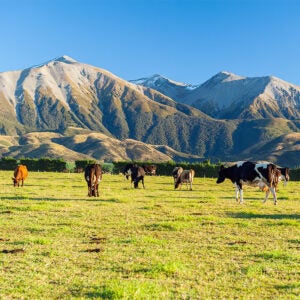
To explore the way in which micro-clusters can help wineries innovate and become more successful, Dr. Back and his collaborators explore the example of the Fairview and De Leeuwenjagt farms, situated on the slopes of Paarl Mountain near Cape Town, South Africa. Founded in 1693, the farms are now run by the Fairview Trust (FT). With the two wine farms covering around 630 hectares, the company has chosen to focus on wine and cheese production, which is at the center of its tourism drive.
There’s no doubt that FT has founded a successful agritourism business. The farms receive around 400,000 visitors annually, which, to put this number in context, is around 13.5% of the number of people visiting California’s Napa Valley. As visitor numbers rose, the farms evolved to keep up. FT chose not just to expand its wine- and cheese-tasting rooms, but also to add many other experiential attractions. This includes everything from a pizzeria to glass blowing and a pilates studio.
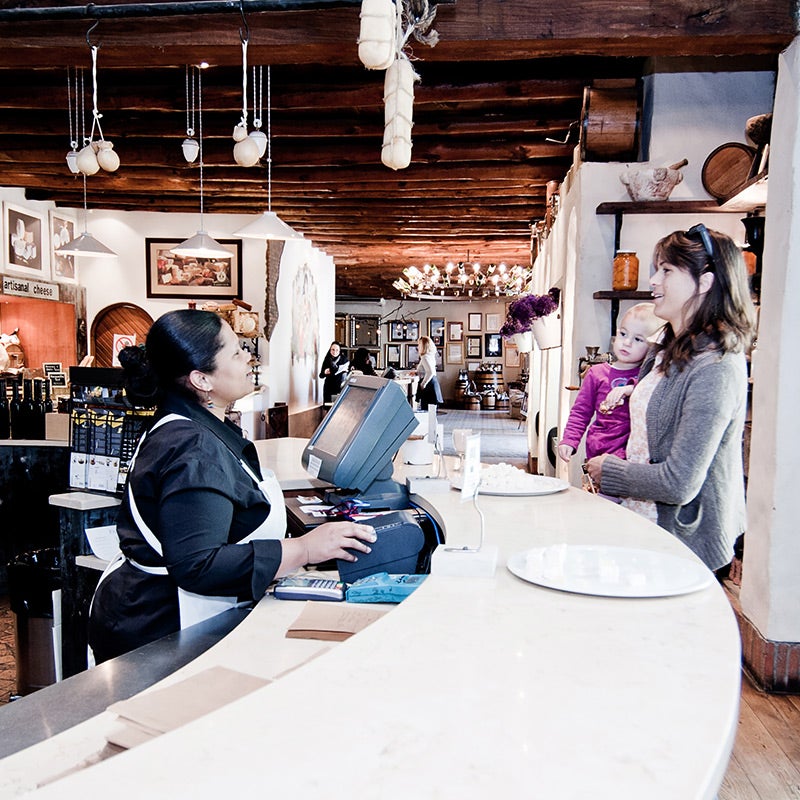
FT has adopted a novel business model, and only has full ownership of some of these facilities. Among others, it owns the tasting rooms, the gift shop, and the children’s playground. Meanwhile, it has partnered with a Swedish brewing company and rents out space to independent businesses such as a deli and a chocolate factory. Each business is able to focus on an area about which it is knowledgeable and passionate. FT is able to cluster these additional experiences together without significant overhead costs or additional expertise. Tourists come for the destination, to spend an entire day there and feel like they’ve had an authentic visit.
A NOVEL BUSINESS MODEL FOR WINERIES
The example of FT represents a step forward for winery businesses. The researchers highlight this as a new and innovative way of running a wine tourism business. In particular, these small, rurally-located businesses rely on the passion and expertise of those who run them. This helps the company stick to its ethos of sustainability and authenticity that is so attractive to the people who visit it. FT is successful because it knows that it can’t be an expert in every aspect of the cluster. It focuses on its core features of providing the best local cheese and wine, both of which are produced on the farms. Meanwhile, partnerships are formed and space is rented out to other companies who have their own areas of expertise. They build up experiential attractions that complement the overall vibe of FT’s core businesses, while FT takes responsibility for marketing the entire destination.
FT uses something similar to a diagonal-clustering approach, which is the closest to a micro-clustering framework. This is also a cluster hub or cluster holding organization system because it involves one company, FT, leading a number of other initiatives within the farm complex. This has led to a project with a cohesive overarching aesthetic that blends together the individual companies working within. The businesses were carefully selected for this reason, creating a tourist attraction that spans all realms of experience. Like all micro-clusters, FT benefits from passionate and innovative leadership.
THE FUTURE OF AGRITOURISM?
This case study, as the authors note, is limited in scope. It was the first paper to assess the value of micro-clustering using a novel business model of diverse forms of ownership for the wine tourism industry, but it doesn’t tell the whole story. What it does reveal is the possibility for a rural agribusiness to create an innovative business model and grow into a major tourist attraction. It highlights the importance of clustering businesses together that complement each other and work synergistically towards a holistic goal within a single location.
In this system, each individual company benefits from being part of the cluster. Tourists then benefit from experiences that are curated by passionate experts. This diversification of products also generates greater profits. The author notes that this is the only known example of a diversified ownership micro-cluster in a wine tourism context, but this study could lead to the emergence of more. Future research needs to test the profitability of this business model and whether it could be applied to other agritourism farms.
Clustering has been a theory of interest in the hospitality industry for many years. However, this is the only study looking into micro-clustering when applied to wine tourism. This is an area of travel that has grown in recent years and not because of any surge in the popularity of wine. Visiting a vineyard is a chance to explore a destination at a slower pace, being connected to the agricultural process, which meets the goals of tourists seeking authenticity and sustainability. This novel case study from a Rosen College researcher and his team is an eye-opening look at this business model and could encourage other agritourism destinations to take a similar approach.