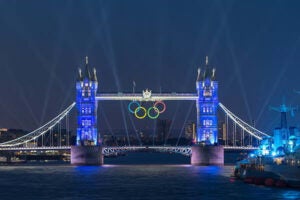
Over the past two decades, advocacy for accessible tourism has gained momentum, reflecting the rise of disability studies that began in the 1970s. While global initiatives, especially those by the United Nations, have fervently promoted inclusivity, a discernible gap remains in the tourism sector’s approach to addressing disabilities. A pivotal study by Professor Michael B. Duignan and Associate Dean Alan Fyall from UCF Rosen College of Hospitality Management suggests that ‘mega-events’ like the Olympics have the potential to reshape societal norms and champion greater inclusivity. The Tokyo 2020 Olympics stood out as a milestone in this journey, addressing both physical and attitudinal barriers, thus enhancing accessibility for Persons with Disabilities (PwD). In preparation for the event, Japan undertook significant measures to challenge entrenched ableist views by not only modernizing its tourism facilities but also by launching extensive awareness campaigns.
Yet, even with these advancements, persistent biases and stereotypes about disabilities emphasize the need for comprehensive adoption of inclusivity, both in thought and action. The researchers from UCF Rosen College confront the prevalent ableist attitudes, highlighting the frequent preference for able-bodied individuals and the design of physical environments that often endorse normative values. Such designs are in stark contrast to the principles of universal design, which aim to eliminate obstacles faced by PwD in both physical and societal realms. The team employs a field configuring events (FCE) framework to understand how significant events can catalyze social policy shifts and combat widespread issues, such as disablism.
At the core of their research is the exploration of the inherent social injustices when the needs and rights of PwD are sidelined, particularly emphasizing the challenges related to physical disabilities and mobility in the tourism sector. While there have been notable advancements in the inclusion of PwD in professional and domestic environments, leisure settings still demand heightened attention. The ultimate goal is clear: to eliminate barriers and foster full participation for PwD across all facets of the tourism industry.
TOKYO 2020: A BEACON FOR INCLUSIVE TOURISM
The team conducted a comprehensive examination of Japan’s strategy during the Tokyo 2020 Olympics to address challenges faced by PwD. They argue that Japan leveraged the event to challenge its historical stigmatization of disability, focusing on both physical and attitudinal barriers. Embracing the social model of disability, the team determined that Japan aimed to pioneer inclusive tourism, not only through infrastructural modifications but also by instigating a shift in societal perceptions through the media. This research delves deep into Japan’s endeavors, emphasizing environment transformation in preparation for the event, awareness campaigns, and evolving societal attitudes towards PwD, offering critical insights into policy implications, managerial strategies, and potential future research directions.
Overall, their research aims to contribute to the understanding of how mega-events can be leveraged to promote inclusivity and social sustainability. Further to this, their study demonstrated the process by which mega-events catalyze industrial and geographical field development to advance accessible tourism agendas, building upon the experiences of previous mega-events and their inability to advance accessible tourism.
The study used a mixed-methods approach, including interviews, on-the-ground observations, and document analysis. The interviews covered topics such as historical and current accessibility barriers, initiatives to overcome these barriers, and persistent barriers to inclusion. The stakeholders interviewed were grouped into four categories: senior government officials responsible for tourism, influential policy and media commentators, tour operators, and physically disabled residents of Tokyo.
BARRIERS TO ACCESSIBLE TOURISM IN JAPAN
The findings from the interviews highlight significant challenges to achieving accessible tourism in Japan, including deep-rooted societal stigmas, negative perceptions of people with disabilities, and infrastructural issues such as the absence of elevators and user-friendly transportation systems. This research sheds light on the broader disability-attitude gap, indicating that, despite Japan’s dedicated efforts towards inclusivity, a persistent negative attitude towards PwD remains, resulting in social exclusion and limited mobility. Furthermore, the study underscores the urgency of transitioning from the medical model of disability, which emphasizes individual limitations, to the social model, which acknowledges that societal attitudes and environmental barriers are the primary inhibitors of inclusive practices.
Japan has implemented various physical changes to enhance accessibility for PwD. These include the installation of audible crossings for the visually impaired and construction work in metro stations to improve accessibility. Designing more inclusive physical and social spaces helps shed light on the challenges, and also the opportunities, to bridging the disability-attitude gap. The Tokyo 2020 Games provided an opportunity to showcase these changes and promote a more inclusive environment. As a whole, the research highlights the importance of ongoing efforts to make cities and attractions barrier-free, ensuring equal access for all individuals.
RAISING AWARENESS AND CHANGING ATTITUDES
The study emphasizes the significance of raising awareness among Japanese citizens about the needs and rights of PwD. National campaigns and educational initiatives were developed to promote understanding and compassion. The Tokyo Metropolitan Government, in collaboration with Tokyo 2020, created guides and literature to communicate accessibility guidance and promote Japan’s Barrier-Free campaign. The inclusion of PwD in aspects such as the official anthems, videos, and city magazines aimed to challenge negative attitudes and generate awareness prior to and during the event.
POLICY RECOMMENDATIONS AND MANAGERIAL IMPLICATIONS
To bridge the disability-attitude gap, the team’s research proposes several policy recommendations and managerial implications. These include disability inclusion requirements in the International Olympic Committee’s Host City Contract, mandatory training, and implementing large-scale national awareness programs for service providers and the general public, ensuring that inclusivity and social sustainability are prioritized. National awareness campaigns are crucial to change societal views towards PwD and increase acceptance. The team emphasized the need for these recommendations to be mandated, a whole-of-life approach to accessibility, and calls for collaboration among stakeholders to prioritize the rights and needs of PwD. The team argue that then this will help to achieve the goals of inclusivity and social sustainability.
FIELD DEVELOPMENT AND ACCESSIBLE TOURISM
The team’s research highlights the role of mega-events in field development and in advancing accessible tourism. While progress has been made, there are still challenges in terms of physical barriers and negative attitudes towards PwD. Unlike piecemeal changes, mega-events can serve as platforms to create greater awareness, and highlight the requirements for accessibility, impacting the entire event planning process from the start. By prioritizing accessibility, mega-events can future-proof destinations and avoid negative publicity associated with inaccessibility. The example of Tokyo 2020 Olympics paves the way for the future by providing valuable lessons for other cities across the globe seeking to create a more inclusive tourism sector.
THE FUTURE AND PRACTICAL IMPLICATIONS
In summary, the research conducted by the team sheds light on the efforts made by Japan and the Tokyo 2020 Games to address the disability-attitude gap and promote accessible tourism for PwD. While physical changes have been implemented, their study emphasizes the need for ongoing awareness campaigns and attitudinal change. Mega-events have the potential to drive social change and inclusivity, making them crucial platforms for advancing accessible tourism and promoting social change. By implementing the policy recommendations and managerial implications identified in the team’s research, destinations can create a more inclusive and welcoming environment for all individuals, regardless of their abilities.