In June 2022, delegates from around the world came together in Lisbon, Portugal, for the United Nations (UN) Ocean Conference. Jointly hosted by the governments of Kenya and Portugal, the conference focused on innovative science-based solutions to protect our oceans. Among the delegates were researchers from UCF Rosen College of Hospitality Management, including Dr. Alan Fyall, Dr. Sergio Alvarez, Dr. Robertico Croes, Dr. Jorge Ridderstaat, and Dr. Maksim Godovykh. Together, they presented a new report on opportunities for post-COVID-19 transformation of coastal and marine tourism via sustainability, regeneration, and resilience initiatives.
THE CHANCE TO START ANEW?
For coastal and island economies, marine and coastal zones have long underpinned economic security and have been exploited for tourism revenue. Over time, ever-increasing visitor numbers and oftentimes poor oversight and regulation have seen the health of many coastal and marine environments decline. Before the COVID-19 pandemic, tourism was a major growth industry that supported the livelihoods of millions of people and countless communities around the world. The near-global shutdown of tourism underlined the fragility of the industry. However, as we emerge on the other side, one positive aspect is the potential to rebuild the tourism industry using a new model.
In monetary value, coastal and marine tourism accounts for approximately 50% of global tourism (~US$ 4.6 trillion per year, or 5.2% of global GDP); half of all global tourists visit coastal or marine areas. For most small island nations and many coastal regions, tourism is the single largest economic sector; in some small island nations, tourism accounts for up to 90% of total exports. However, the prevailing industry model is unsustainable on a number of fronts. Tourism contributes 8–11% of global greenhouse gas emissions, with this number projected to increase. Tourism revenue is largely siphoned off by large corporations and foreign companies; in the Maldives and Caribbean, estimates suggest that 95% of tourism revenue leaves host countries. As the desirability of coastal destinations increases, higher property prices and costs of living cannot be met by local populations. Moreover, the industry is largely staffed by marginalized communities (including low-wage workers, women, children, and migrant workers), who have little agency and are highly vulnerable to shocks and stressors. Last, but certainly not least, the development of tourism infrastructure damages coastal and marine environments, leaving them more vulnerable to crises. For example, the creation of sandy beaches to support beach-front resorts is often at the expense of natural habitats such as sand dunes and mangroves. When intact, these habitats not only house significant biodiversity but also protect coastlines from storm damage and rising sea levels.
FINDING THE WAY FORWARD
Addressing these issues will not be easy, but the team from Rosen College joined an international team of researchers to compile a blueprint to guide the way forward. First and foremost, the industry will need to recognize the underlying causes of current vulnerabilities and be willing to phase out practices that are no longer fit for purpose and/or that are at odds with social and environmental justice, account for growing demand for travel from an expanding global middle class, and identify new, more sustainable practices and business models at all levels of the tourism value chain.
Around the world, many individual communities already offer examples of best practice. The Pacific island of Palau is moving towards carbon neutrality through local food production, carbon offset schemes, and mangrove restoration. Hotels from Las Vegas to Bangkok have saved millions of liters of water and thousands of dollars in energy by upgrading their laundry processes and facilities. Beach clean-up initiatives in the United States have contributed millions of dollars in added economic value. In South Africa, local artisans have received business advice to ensure that their products are competitive. However, such changes need to be scaled up to an industry level, which will require a paradigm shift in policy and regulatory cultures within governments, the business models of private enterprises, and in the behavior of end users. Tourists themselves have a critical role to play, and the traveling public must demand more sustainable approaches and proactively practice reduced consumption.
A FRAMEWORK FOR CHANGE
The proposed framework has three principal aims:
1) reduce impact, 2) regenerate, and 3) build resilience in the environmental, economic, and socio-cultural spheres.
From an environmental standpoint, avenues to address negative impacts include carbon-neutral initiatives, investment in energy- and water-efficient infrastructure, minimizing single-use plastics, and more integrated coastal zone management. Reducing negative economic impacts could involve the promotion of locally owned businesses, improved working conditions and workers’ rights, and increased rates of local employment. Reducing negative socio-cultural impacts could include clear cultural guidelines for visitors, more inclusive and locally driven management structures, and the protection of human rights.
In terms of regeneration, the environment could be served by the development of green infrastructure to benefit both tourism and local communities (for example, renewable electricity generation, rainwater collection, composting facilities) and the designation of reserves to protect ecosystems and biodiversity. Local economies could be regenerated by introducing visitor fees, career paths for local workers, microfinancing for local enterprises, and locally sourced goods and services. Regeneration of socio-cultural factors could include investment of tourism revenue into local education, promotion of locally owned business (particularly those owned by Indigenous communities), restoration of cultural sites, and better use of local knowledge and language.
The final pillar in the framework, building resilience, will allow coastal communities to not only weather future crises but become stronger as a result. Building environmental resilience primarily involves protecting and strengthening local ecosystems, for example, protecting coastlines from flooding and erosion through the use of mangroves and reef development. Economic resilience will rely on diversification of the tourism industry, promotion of domestic tourism, creation of trust funds to ensure safe streams of funding, and ensuring local hiring at all staff levels. Socio-cultural resilience is served by implementing strong management plans for local cultural sites and by the involvement of local communities in management schemes.
ACHIEVING GOALS
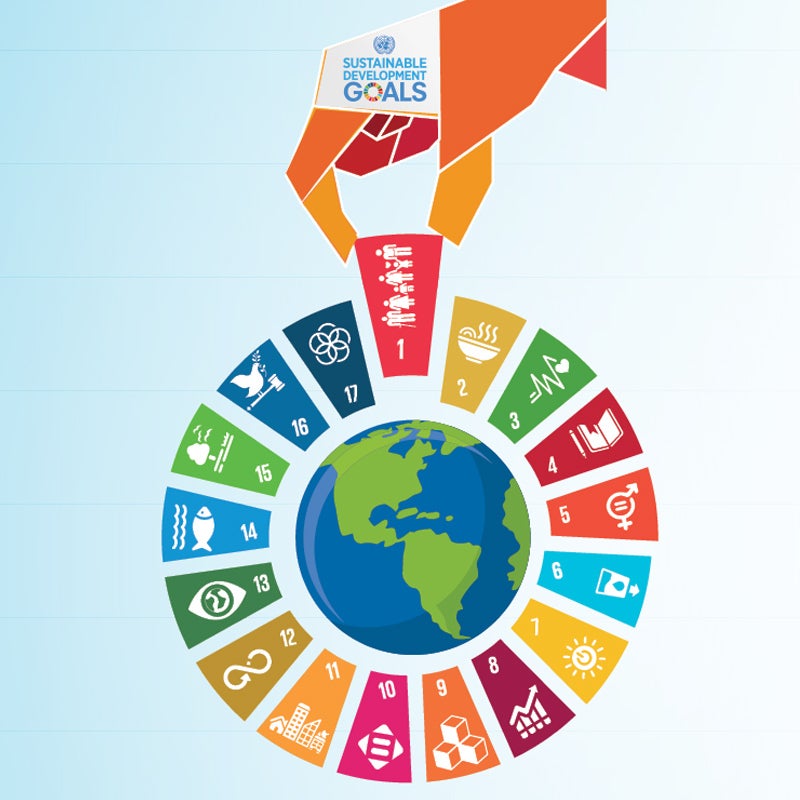
One of the first steps on this road is establishing baselines and criteria for measuring impact. Taking water use as an example, metrics could include water use per tourist per day, water savings over time, percentage of tourism facilities treating water to international standards, and cases of water-borne diseases. Ultimately, a bold rethink of global tourism offers significant opportunities to contribute to the UN Sustainable Development Goals. Among others, direct contributions could range from improved gender equality, protecting marine ecosystems, and reducing greenhouse gas emissions. Indirectly, coastal communities would benefit from reduced poverty and hunger, and improvements in health, education, clean energy, and clean water.